DIY fix
Vertical or diagonal, leaking
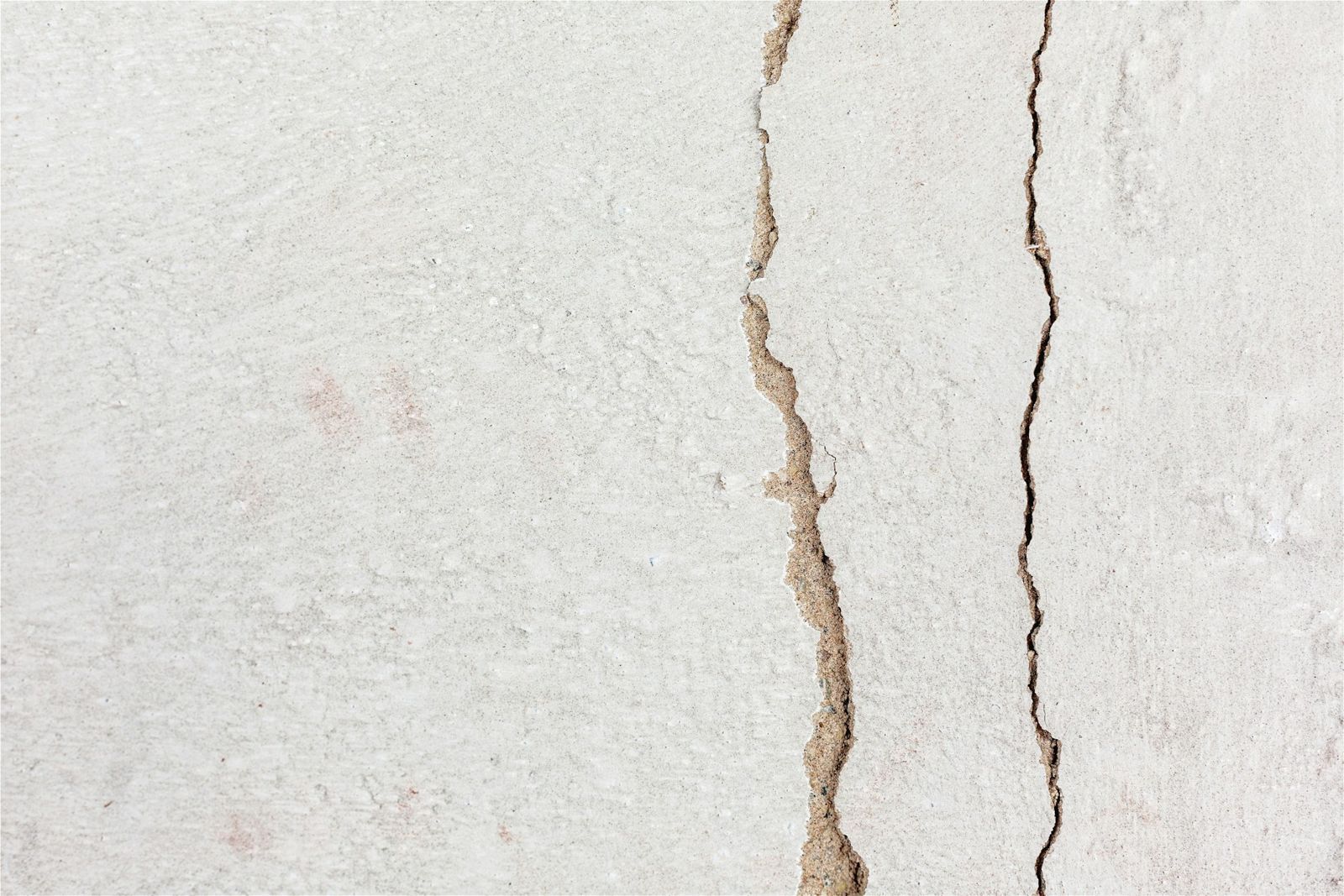
Poured concrete wall, under 3/8" wide, both sides flush. The injection kit was made for this.
See the step-by-step guide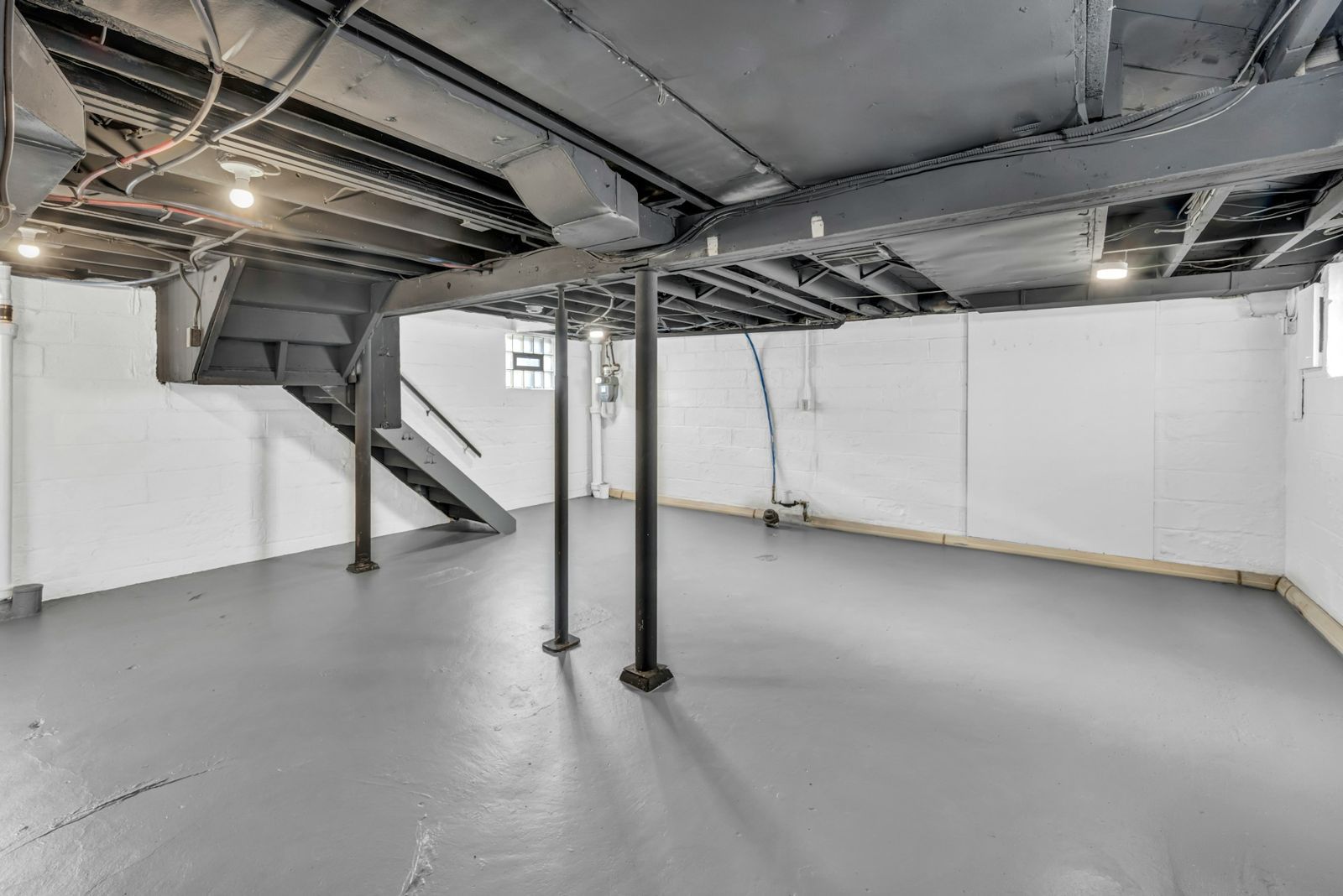
Fix the leaking
foundation crack
yourself.
Honest guides for homeowners with water coming through a basement wall. Find out if your crack is a DIY fix before you spend a dollar.
Contractors charge $250 to $800 per crack. A 10 ft DIY injection kit costs $204.95 and covers several cracks.
Hydraulic cement cracks again. Coatings peel. We check every claim against the manufacturer data sheets and government sources, and we tell you plainly when a crack is not a DIY job. Read our editorial policy.
The 60-second crack check
Most leaking basement cracks are not structural. Some are. Here is how to tell.
Poured concrete wall, under 3/8" wide, both sides flush. The injection kit was made for this.
See the step-by-step guide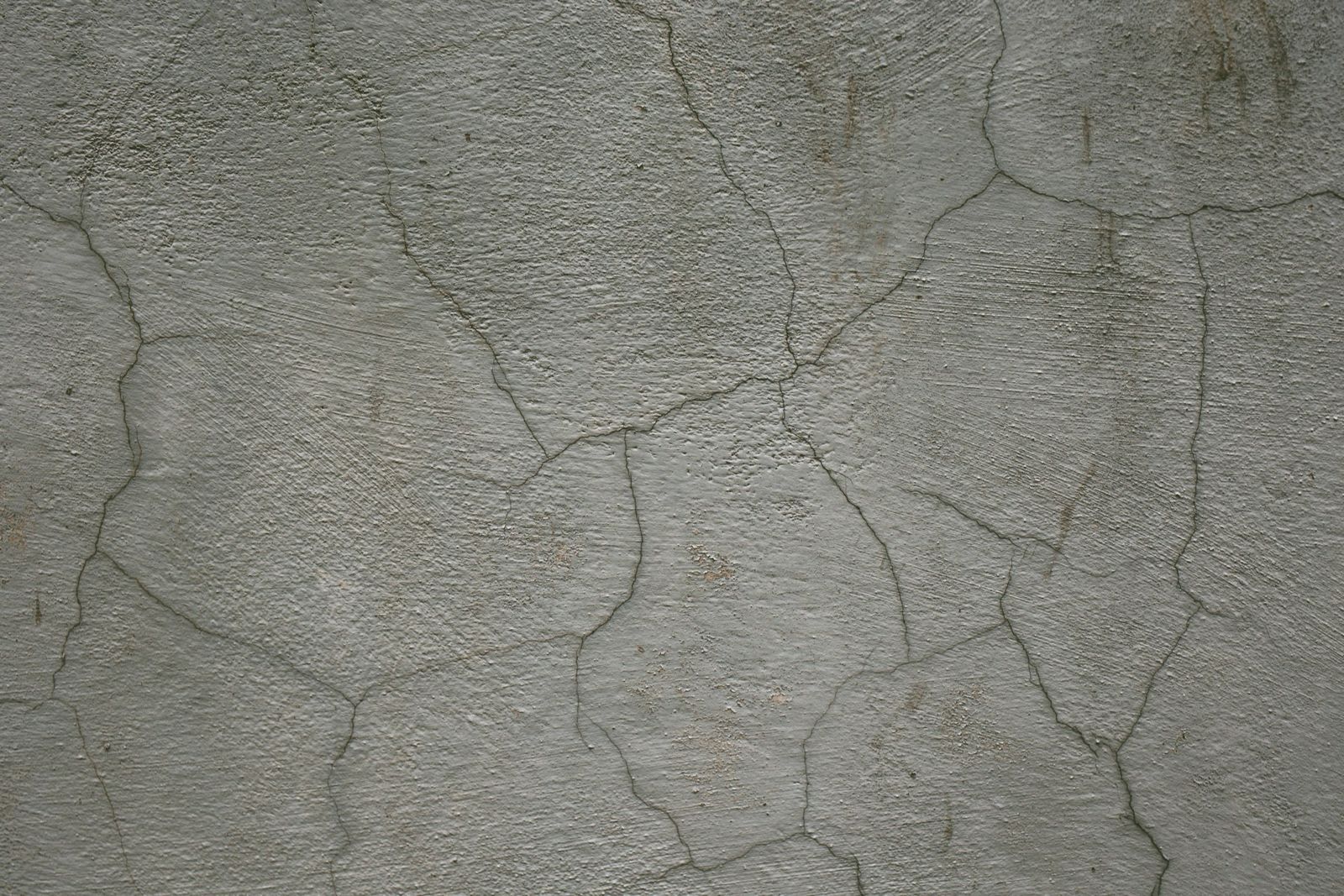
Thinner than 1/8" with no water? Mark the ends, measure it monthly, and seal it before you finish the basement.
How to monitor a crackThese are signs the wall is moving. No kit fixes that, and we will not pretend one does.
When to call a structural engineer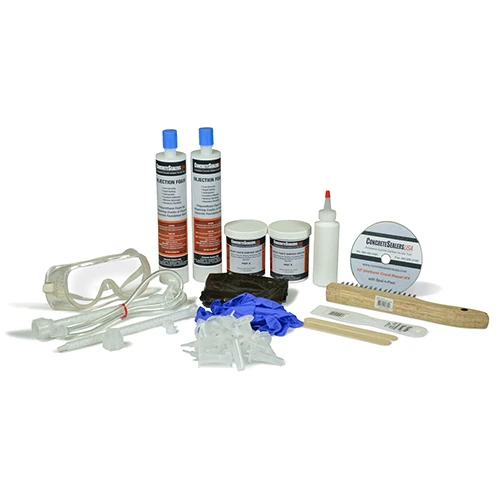
Hydrophobic foam reacts with water, expands into the crack and stays flexible as the wall moves. Made by Concrete Sealers USA, sold direct.
$204.95
10 ft kit. 30 ft from $574.95
Affiliate link: we may earn a commission at no cost to you. How we make money.
| Option | Hydraulic cement | DIY injection kit | Hire a contractor |
|---|---|---|---|
| Cost | Lowest upfront cost | $204.95 for 10 ft | $250 to $800 per crack |
| Fills the full crack depth | No, surface plug | Yes, foam injected through ports | Yes |
| Flexes when the wall moves | No, rigid | Yes | Depends on material |
| Time | An hour | An afternoon plus paste set time | Scheduling plus a visit |
Yes, for the right crack. A polyurethane injection kit can seal a leaking, non-structural crack up to 3/8" wide in a poured concrete wall. It will not fix a horizontal crack, a block wall or a bowing wall. The prep decides the result: the surface paste needs a clean, dry wall to seal. Read the full answer
3/8" is the limit for a DIY injection kit, so anything wider is too wide. Builders rate hairline cracks up to 1/8" as negligible and 3/16" to 9/16" as moderate. Width is only half the story, though: a horizontal crack or a bowing wall needs a structural engineer at any width. Read the full answer
Yes for the foam, no for the paste. Concrete Sealers USA says its foam adheres wet or dry, while its epoxy paste is not meant for wet surfaces. Wait for a dry spell, or dry the face of the wall, before you paste the ports on. Read the full answer
Sometimes, but not because you sealed the first one. If water is building up against the wall, it comes through any opening it can find: other cracks, tie rod holes, and the joint where the floor meets the wall. Seal every spot that leaks and send more water away from the house. Read the full answer