What should you do in the first few hours?
- Keep it safe. If water is near outlets, cords or the furnace, turn off power to the basement at the panel, if you can reach it without standing in water.
- Move things. Get boxes, rugs and furniture off the wet floor.
- Start drying. Mop up standing water, then run fans and a dehumidifier.
- Go outside. Clear clogged gutters and point downspouts away from the house.
- Take photos. Note the date, the weather and where the water shows up.
Speed matters. The EPA says wet materials should be dried within 24 to 48 hours to keep mold from growing.
Where is the water getting in?
| Where you see water | Most likely path |
|---|---|
| A wet line running down the wall | A crack |
| Drips from small round holes | Tie rod holes |
| Along the bottom edge of the wall | The floor-wall joint |
| Up through the floor | Water under the slab |
| Beads on a cold wall in humid weather | Condensation |
A white, chalky crust on the wall is a clue too. K-State Extension explains it is salt left behind as water evaporates, so it shows where water has come through before.
Why does it leak after rain?
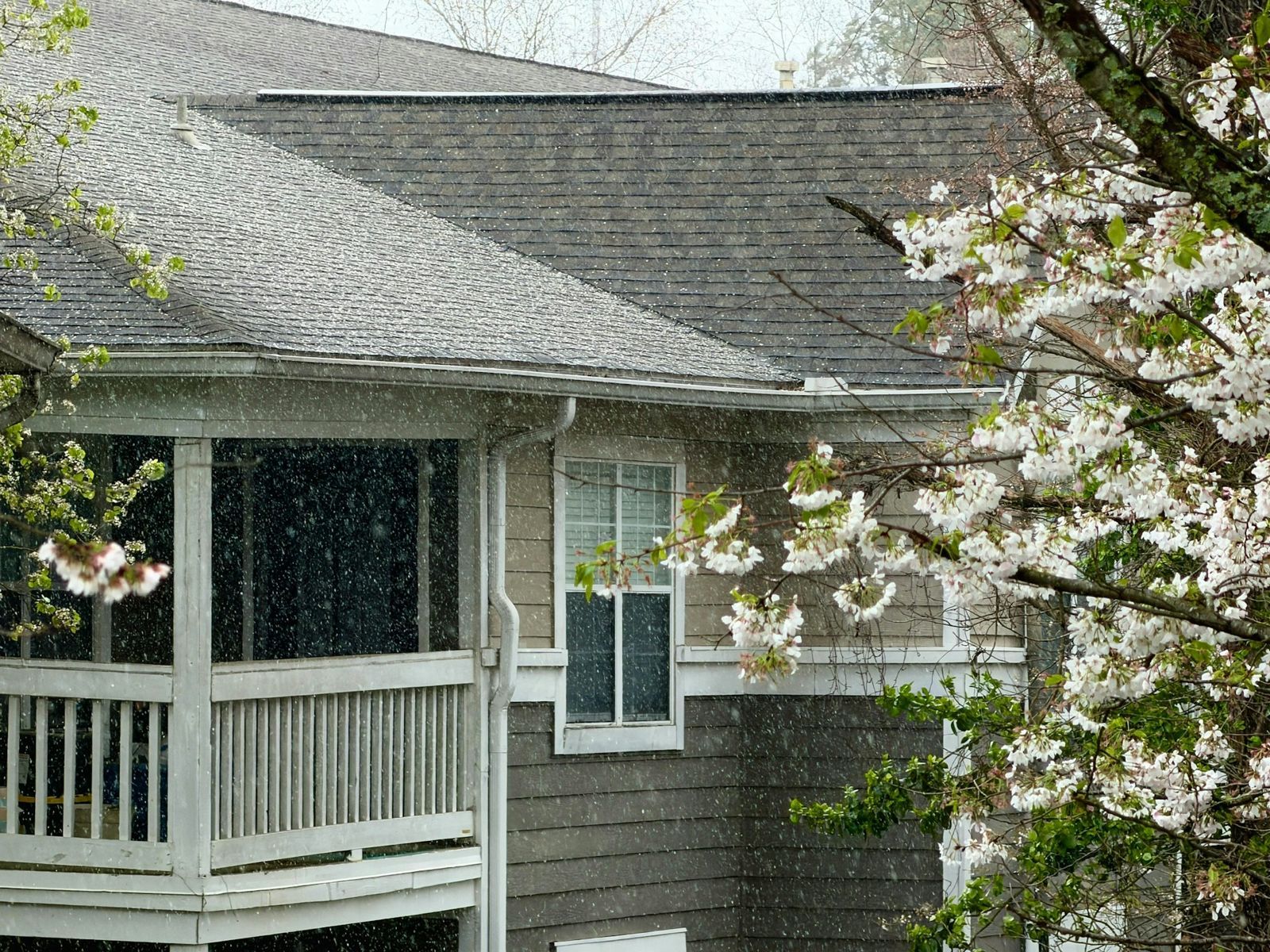
Rain from the roof lands right against the wall if gutters overflow or downspouts empty close to the house. The soil soaks up, and water pushes through the easiest path. That is often a crack.
Residential codes based on the IRC call for the ground to fall at least 6 inches within the first 10 feet of the house. A Building America guide says downspouts should discharge at least 5 feet from the foundation. Check both before the next storm.
Is the crack serious?
Most leaking cracks in poured walls are thin, vertical shrinkage cracks. They let water in, but the wall is fine. A few are signs of movement: horizontal cracks, stair-step cracks in block walls, bowing walls, and cracks where one side sticks out.
Our 60-second foundation crack check sorts your crack into fix it, watch it, or call an engineer.
How do you stop it for good?
Fix the outside water, then seal the crack. For a vertical crack in a poured wall, polyurethane foam injection is the usual fix. You can do it yourself with a kit once the wall face is dry. Our crack sealing walkthrough covers it from prep to hose test, and the side-by-side comparison of repair methods explains why surface patches often fail.
If the crack is dry most of the year, you may want to watch it for a while first. The crack tracking method takes a pencil and a ruler.